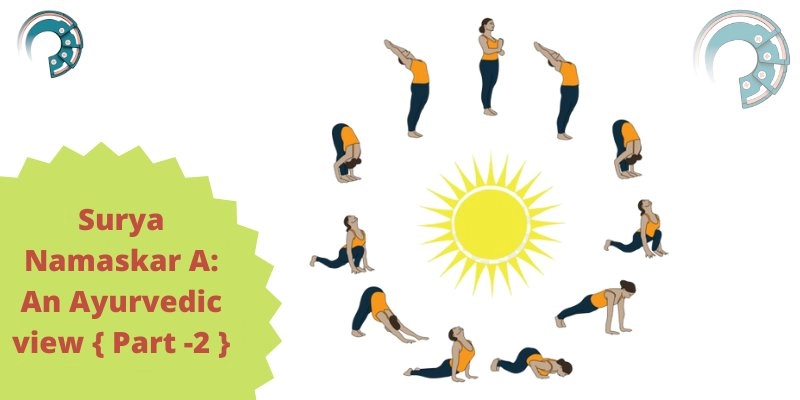
Surya Namaskar A: An Ayurvedic view { Part -2 }
4. Ashwa Sanchalanasana or the Lunge Pose
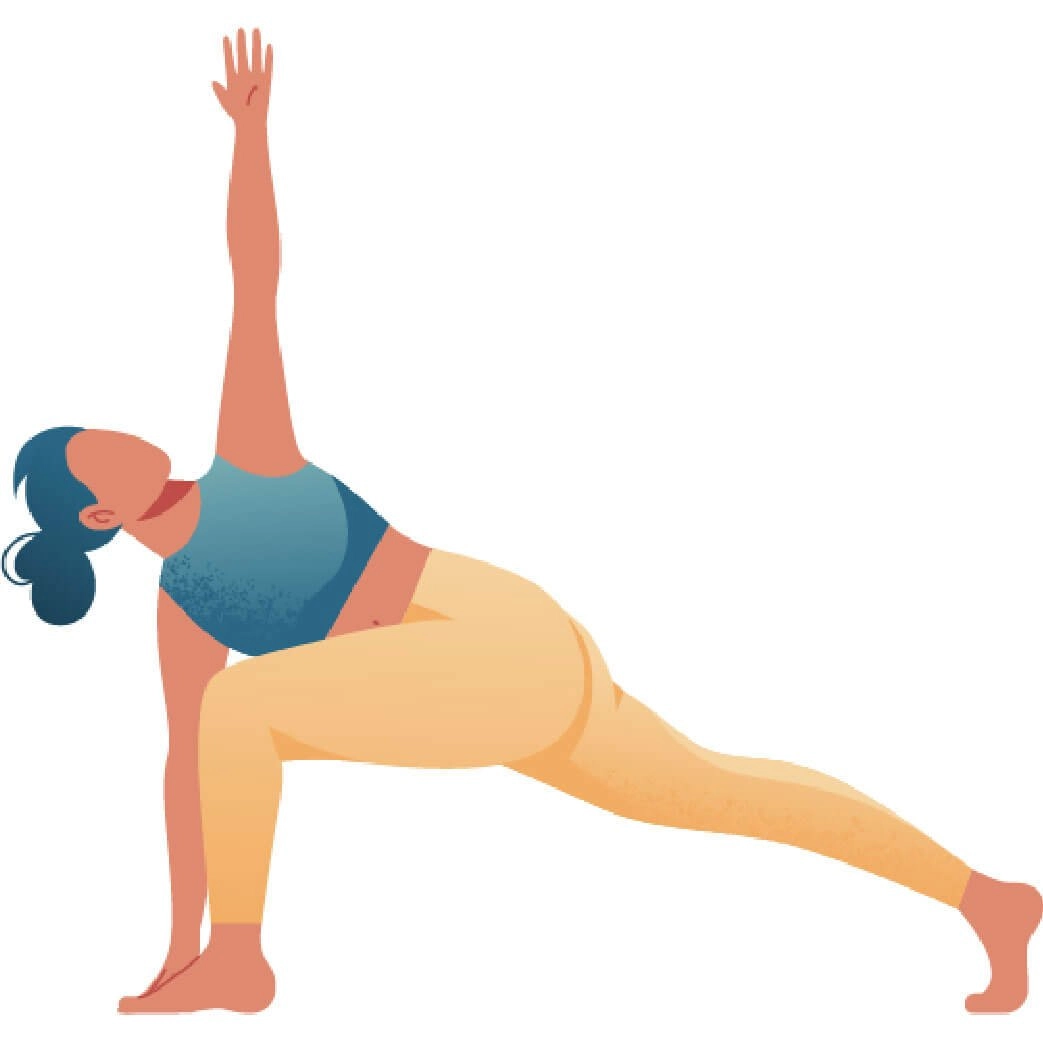
After coming back from Hasta Padasana, bend your knees slightly and rest your palms on the floor in line with your feet. Inhale and bring your right knee towards the right side of your chest while stretching the left leg backward. Balance your body and raise your head facing forward.
Benefits of Ashwa Sanchalanasana: Strengthens the spine and increases lung capacity. Relieves indigestion and constipation.
5. Chaturanga Dandasana or the Plank Pose
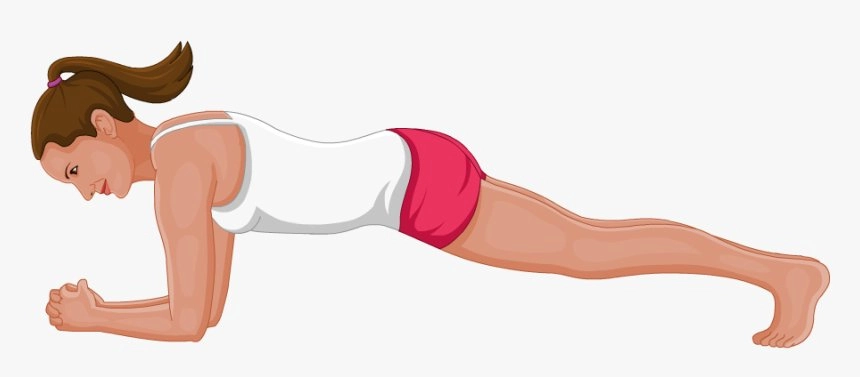
From the Ashwa Sanchalanasana, inhale and bring your right leg back, next to the left leg. Keep your hands under your shoulders, keeping your body parallel to the ground. Your entire body should be in one straight line. Breathe and balance.
Benefits of Chaturanga Dandasana: Keeps the mind calm while stretching the arms, chest, shoulder, and spine. This pose also improves posture.
6. Ashtanga Namaskar or the Eight Limbed Pose
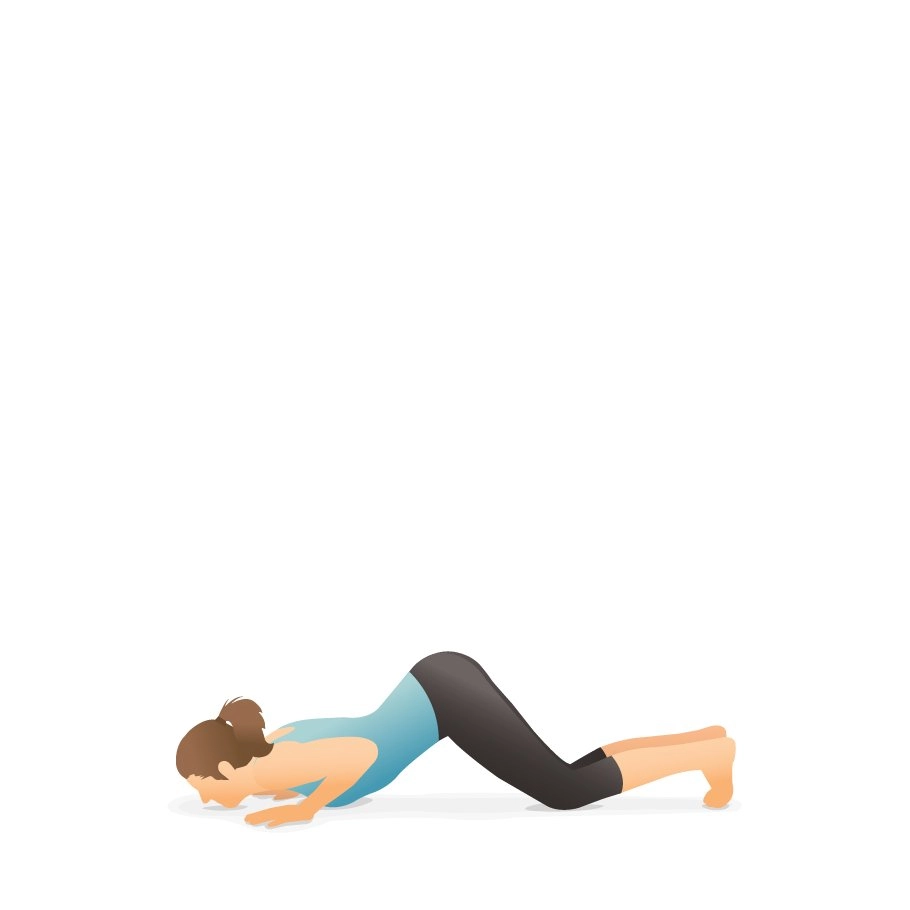
Also known as salutations using eight points or parts. To perform this pose, exhale and bring your knees down to the floor. Rest your chin on the floor and raise your hips slightly from the ground. Both your hands, knees, chin, and chest should touch the floor while your posterior should be suspended in the air. Breathe and hold the position for as long as comfortable.
Benefits of Ashtanga Namaskar: Increases flexibility and stretches the back and the spine. Strengthens the muscles and relieves stress.
7. Bhujangasana or the Cobra Pose
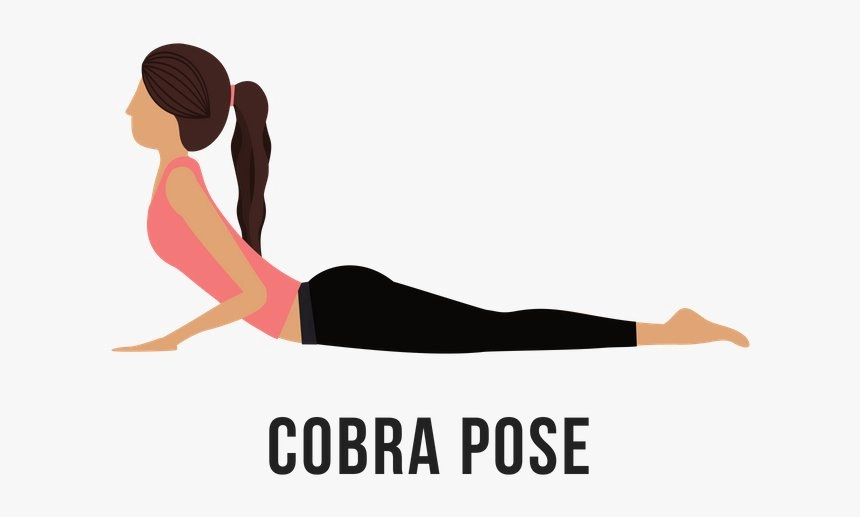
Gently slide forward and rest your legs and abdomen flat on the ground. Place your palms close to your chest and while inhaling apply the pressure on the hand and slowly raise the upper body, your pelvic region touching the ground. Keep your shoulders away from your ears, and feet tucked in, and look forward. Your head and torso should resemble a cobra with a raised hood.
Benefits of Bhujangasana: Stretches the shoulders, back, chest, and spine. Improves flexibility and mood.
8. Adho Mukha Svanasana or the Downward Facing Dog
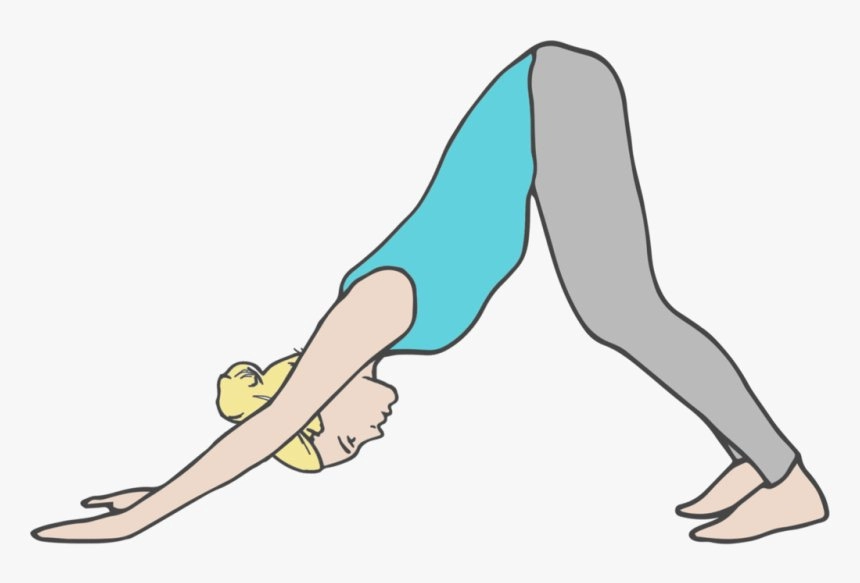
Lie down, releasing your chest from the Bhujangasana, your back facing the ceiling. Exhale and lift your hips gently to form an inverted ‘V’. Straighten your elbows and knees while trying to keep your heels on the ground. With every exhale and inhale, go deeper into the stretch. Look towards your navel.
Benefits of Adho Mukha Svanasana: Calms the nerves and increases blood circulation. Relieves stress and strengthens the arms and legs. In women, this yoga asana relieves symptoms of menopause.
9. Ashwa Sanchalanasana or the High Lunge Pose
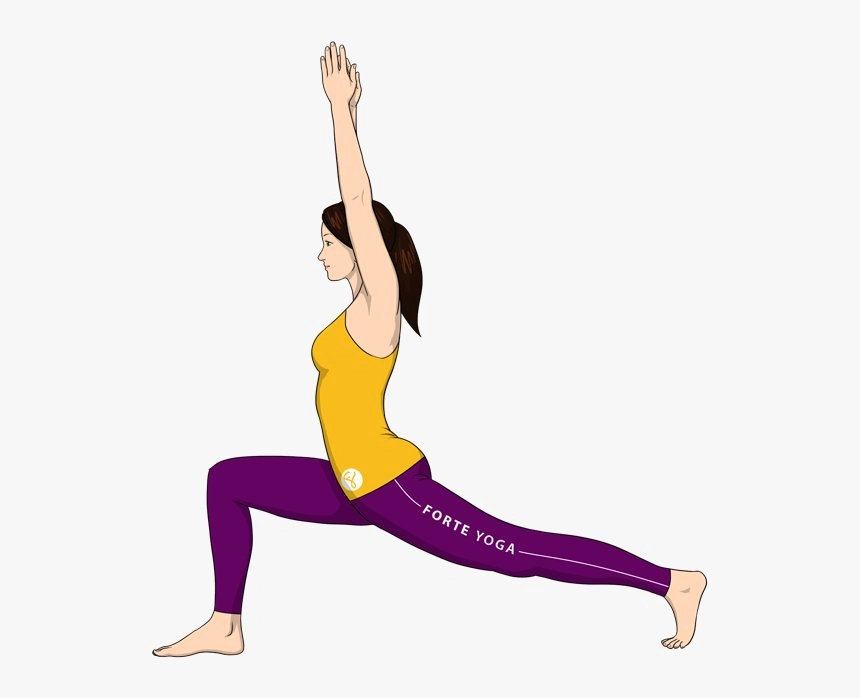
Coming back from the Adho Mukha Svanasana, bring your right foot forward. Keep your left leg stretched behind place your feet on the mat and now slowly look forward. Gently push the hips towards the floor to deepen the stretch.
Get a better stretch this time since you have performed this step before.
Benefits of Ashwa Sanchalanasana: Strengthens the spine and increases lung capacity. Relieves indigestion and constipation
10. Hasta Padasana the Standing Forward Bend
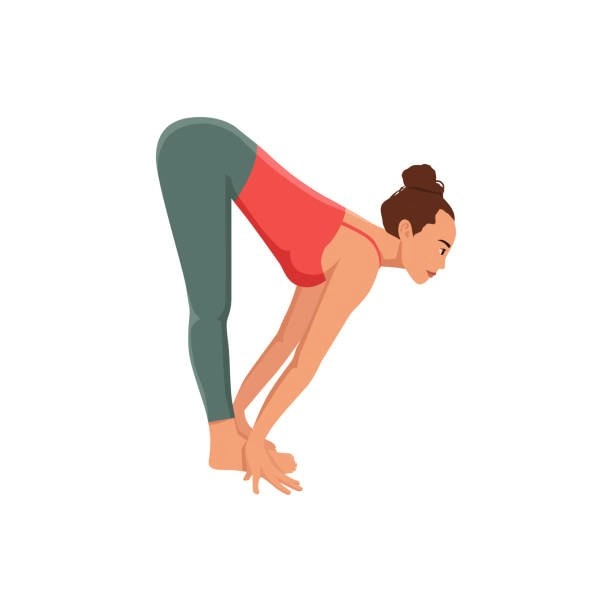
Inhale and bring your left foot forward, next to your right foot. Bend your torso while keeping the position of your hands intact, slowly exhale and touch the ground with your fingers.
Benefits of Hasta Padasana: Stretches the hamstrings and opens up the legs. It helps in curing insomnia, osteoporosis, headache, anxiety, and stress.
11. Hasta Uttanasana or the Raised Arms Pose
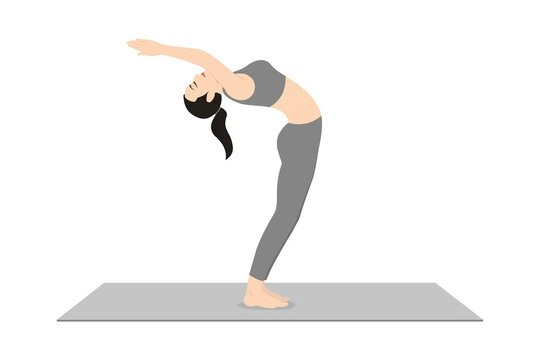
Inhale while lifting your upper body, join the palms and raise your hands upwards. Bend backward and stretch your spine.
Yes, you have done this before.
Benefits of Hasta Uttanasana: Stretches and tones the abdominal muscles. Beneficial for people suffering from asthma, lower back pain, and fatigue. It also aids digestion.
12. Pranamasana or the Prayer Pose
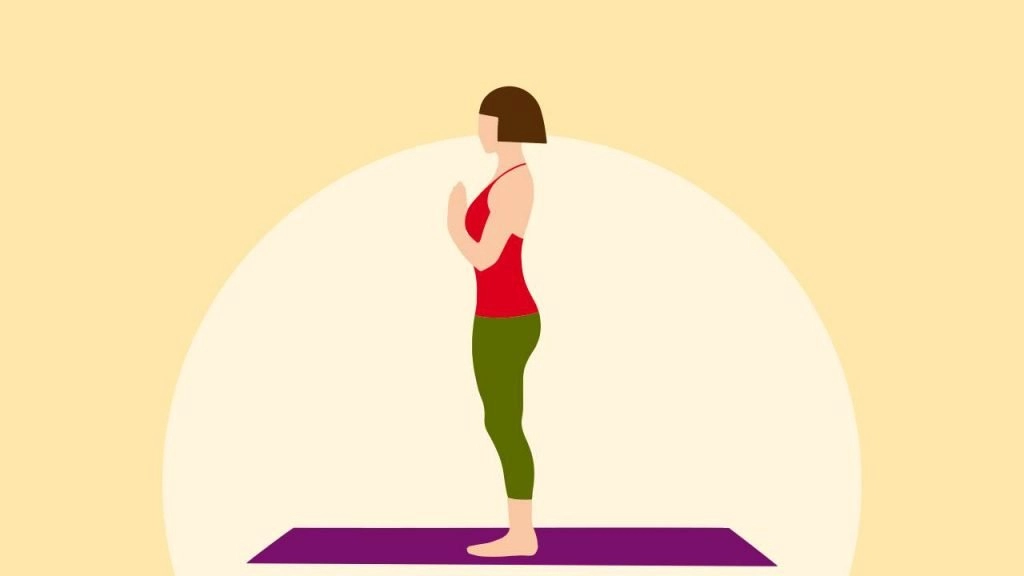
Coming back to where we had started, notice that we made a circle of these 12 poses.
As mentioned in the first step, exhale and stand straight, relaxing your body. Lower the arms in front of your chest in a Namaste.
Benefits of Pranamasana: Relaxes the nervous system and helps in maintaining body balance. It also helps relieve stress and anxiety.
Yoga has several benefits for both, the mind, and the body. Practicing yoga asanas every day has proven to effectively improve strength and endurance amongst people, especially senior citizens.
Surya Namaskar yoga is one of the easiest ways to keep your body and mind active while also alleviating several diseases and body pain. These Suryanamaskar steps will surely help you achieve your long-term health goals.