What are the various Air Purifying Plants { Part 1 }
How Do Plants Purify Air?
The ability of plants to detoxify the air is extraordinary. While leaves absorb carbon dioxide and light, converting them into energy through photosynthesis, they also absorb volatile organic compounds from the air. Thus, the leafier the plant, the more toxins it will be able to absorb. Oxygen is a valuable byproduct of this process. Plants remove harmful pollutants increasing oxygen content, something no commercial air purifier can do.
Indoor air pollution :
Living in an energy-efficient, modern building can have unintended side effects. One of these side effects is less airflow. Lack of airflow allows for indoor air pollution to build up and cause health issues like asthma or sick building syndrome.
Modern furnishings, synthetic building materials, and even your carpet may carry more chemicals than expected. These chemicals can make up to 90 percent of indoor air pollution
Best Air Purifying Plants :
While air purifying plants cannot instantly filter your home atmospheres like a mechanical ventilation system or an air purifier, they certainly can aid the process with their marvelous air cleaning abilities.
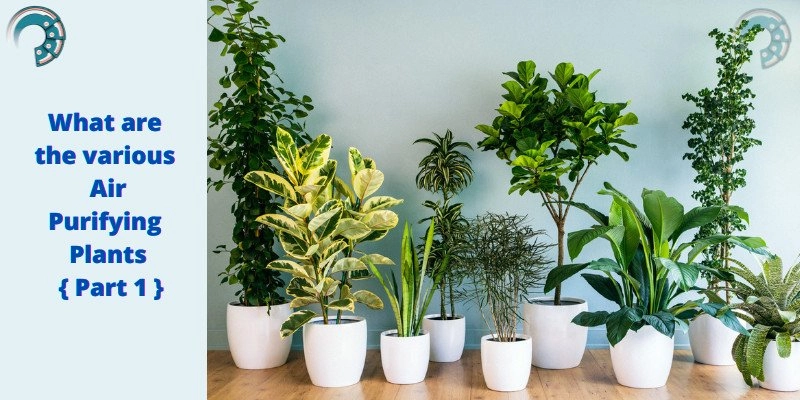
Not all plants are the same; here is a roundup of some of the best air purifying house plants that you can utilize for a toxin-free indoor environment:
English Ivy (Hedera Helix) :

English ivies are one of the best air-purifying plants. They can remove toxins like formaldehyde, benzene, xylene, and toluene. They can reduce mold and fecal matter in the air. Hedera helix also absorbs humidity and can help maintain your ideal summer humidity levels.
Maintenance Tips: English ivies do need a lot of bright but indirect sunlight. They love humidity and cooler temperatures in the 60s range. Let the top of the soil dry to the touch before watering them again. Keep in mind that English ivies are considered an invasive species in many parts of the world as they are very fast growing. Trim them regularly so they don’t take over your walls.
Toxicity: Unfortunately, this amazing plant is not pet-safe. A toxin found in the leaves and berries can be hazardous to both children and animals if eaten.
Bamboo Palm (Chamaedorea Seifrizii) :

Belonging to the Chamaedorea genus with over 100 species to choose from, the bamboo palm is another popular air-purifying houseplant. The most popular species considered to be the bamboo palm is the chamaedorea seifrizii.
Maintenance Tips: Bamboo palms are low-maintenance plants, thus perfect for beginners. They dislike direct sunlight and overwatering.
Toxicity: These fantastic plants are pet-friendly, so you don’t have to worry about their placement.
Parlor Palm (Chamaedorea Elegans) :

The beautiful parlor palm, also known as Bella palm or tabletop palm, has long, shiny green leaves. Parlor palms are known to remove harmful chemicals such as benzene and trichloroethylene from the air.
Maintenance Tips: You will be pleased to learn that it is a low-maintenance plant that can adapt to various lighting conditions. It does best in bright, filtered light with little watering. It is better to underwater your parlor palm than to overwater it. Expect to water them every 1-2 weeks.
Toxicity: Parlor palms are also pet-safe, so you can keep them without worrying about your pet’s health.
Areca Palm (Dypsis lutescens) :

The areca palm is a popular air-purifying houseplant capable of removing formaldehyde, xylene, benzene, trichloroethylene, and carbon monoxide from the air. Its slender, arching fronds make it a beautiful addition to any room.
Maintenance Tips: Areca palms prefer bright, filtered sunlight. Harsh direct sunlight can scorch the foliage. They prefer moist soil; however, make sure you let the soil dry slightly between waterings as they dislike waterlogged soil. They do best in temperatures between 65 to 75 degrees.
Toxicity: Apart from being a stunning design addition, the areca palm is also pet safe, so you can rest easy knowing your pet is in no danger.
Dragon Tree (Dracaena Dorado) :

Plants belonging to the Dracaena family are also among the best air-purifying plants in general. The dragon tree is no exception. It excels at removing benzene, xylene, trichloroethylene, formaldehyde, and carbon dioxide from the air.
Maintenance Tips: The dragon tree is an excellent indoor plant due to its hardy nature. Dragon trees prefer indirect, bright sunlight, and generally, they do best if they receive around 10 hours of it. Dragon trees are susceptible to root rot if left in standing water. Allow the soil to partially dry before watering them again.
Toxicity: The dragon tree is toxic to pets and should be avoided by pet owners.
Mother-in-Law’s Tongue (Dracaena trifasciata) :

Mother-in-law’s tongue, also known as snake plant or St. George’s sword, is another brilliant air-purifying plant from the Dracaena family. It can remove a substantial amount of formaldehyde and benzene.
Maintenance Tips: A hardy plant, mother-in-law’s tongue can survive in a variety of lighting conditions. It is also drought-resistant and does not react kindly to overwatering. Water only when the soil feels dry. In warmer months, it only needs to be watered every 3 -4 weeks.
Toxicity: Mother-in-law’s tongue contains saponins, a toxic substance for cats and dogs, so households with pets should look for another houseplant.