Wine for good heart health: Truth or Myth

There are many myths and truths with regard to impact of red wine on heart health. Here is the most commonly asked but unanswered question. Lets take a look at them:
- What are the benefits of red wine for the heart?
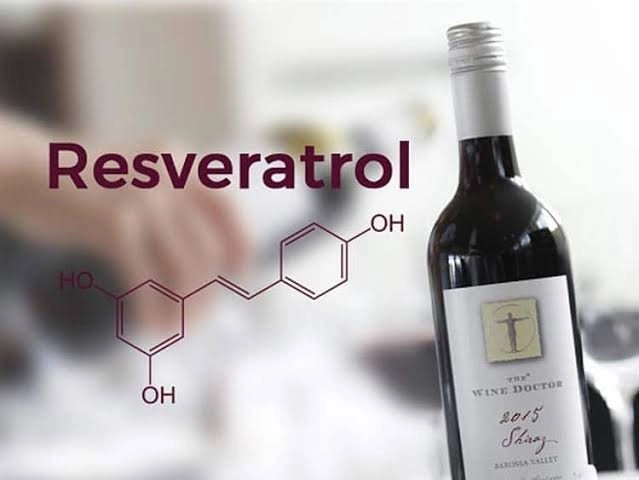
Polyphenols, which are antioxidants found in red wine, may help protect the lining of blood vessels in the heart. Red wine contains a polyphenol called resveratrol, which has been studied for its health effects. Also, Red wine contains resveratrol.
Resveratrol has been shown to help prevent blood vessel damage, lower LDL cholesterol (the "bad" cholesterol), and avoid blood clots.
Resveratrol research, on the other hand, has yielded mixed results. According to several studies, resveratrol is connected to a reduced risk of inflammation and blood clotting, which can help to reduce the risk of heart disease. Other research, on the other hand, found no effect from resveratrol in terms of avoiding heart disease.
Here are some myths that are bursted:
- Myth: Antioxidant properties of red wine.
Fact: Red wine does contain antioxidants, which can help you lower your cholesterol and maintain healthy blood pressure.
However, you should avoid consuming so much red wine that the alcohol counteracts the preventive effects. If you want to increase the number of antioxidants in your diet, talk to your doctor or a nutritionist about antioxidant-rich foods and supplements.
- Myth: Red wine helps to decrease cholesterol levels.
Fact: Maintaining a healthy cholesterol level is critical if you want to lower your risk of heart disease.
Red wine raises good (HDL) cholesterol, according to a study published in Clinical Nutrition. Nonalcoholic red wine, on the other hand, lowers harmful (LDL) cholesterol levels. People who consumed alcoholic red wine had no change in their LDL levels, so bear that in mind when ordering a glass with dinner.
_1646728934.webp)
- Myth: Red wine helps to decrease blood pressure.
Fact: Red wine does not lower blood pressure, according to scientific research. In fact, drinking causes blood pressure to rise. However, because alcohol relaxes people, it may drop blood pressure slightly — but only for a short time, and it will not help with persistent hypertension. Consult your doctor about other options for lowering your blood pressure, such as moderate exercise and a diet high in healthy fats.
_1646729007.webp)
- Myth: Drinking red wine lowers your chances of having a heart attack. Fact: Red wine and other types of alcohol raise your risk of heart attack and stroke right away. This risk, on the other hand, diminishes over time. Red wine is unlikely to affect your heart in the long run if you drink it in moderation (one drink per day for women, two drinks for men). Heavy alcohol use, including red wine, on the other hand, can raise your risk of cardiovascular disease and stroke. To give your body a rest, consider limiting the amount of alcohol you consume.
_1646729049.webp)
And here's what experts are saying;
Experts have warned that drinking a glass of wine every day is bad for your health.
The World Health Federation has criticised studies showing that little amounts of alcohol may improve cardiovascular health in an attempt to eliminate the "myth" that moderate drinking might promote health. They claim that such reports are unreliable, and they demand for immediate action to combat the global surge in drinking-related mortality.
"The portrayal of alcohol as important for a vibrant social life, as well as the frequent and well publicised assertions that moderate drinking, such as a glass of red wine a day, might offer protection against cardiovascular disease," said Professor Monika Arora, a member of the federation. At best, these claims are false; at worst, they constitute an attempt by the alcohol industry to deceive the public about the hazards of its product."
However consumption of wine in moderation is what decides its boon or bane to hearts health.
_1646729091.webp)