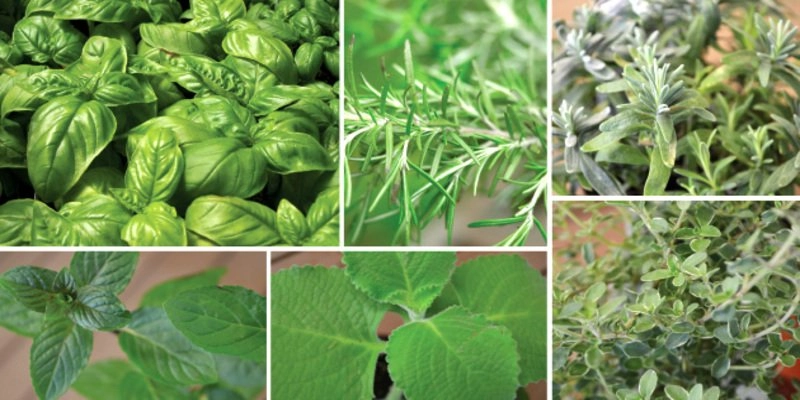
Herbal for Blood Pressure
Blood pressure can be controlled with medications such as angiotensin-converting enzyme (ACE) inhibitors and calcium channel blockers. Many dietary and lifestyle changes can also help you lower your blood pressure and risk of heart disease. In fact, studies have shown that certain herbs and spices may lower blood pressure levels, so you may want to include these in your diet as well. Before using any of the herbs listed below, consult with your healthcare provider.
1.Basil
Basil (Ocimum basilicum) is a tasty herb that comes in a variety of forms. It's popular in alternative medicine because it contains a variety of potent compounds.
- Eugenol is abundant in sweet basil. This plant-based antioxidant has been linked to a variety of health benefits, including lower blood pressure.
- According to research, eugenol may help lower blood pressure by acting as a natural calcium channel blocker.
- Calcium channel blockers prevent calcium from entering the heart and arterial cells, allowing blood vessels to relax.
- Sweet basil extracts have been shown in animal studies to help relax blood vessels and thin the blood, resulting in lower blood pressure.
- However, more research is needed to determine whether basil helps lower blood pressure in humans.
2. Parsley
- (Petroselinum crispum) is a common herb in American, European, and Middle Eastern cooking. It is a Mediterranean native with an impressive nutritional profile.
- Parsley contains a number of compounds that may lower blood pressure, including vitamin C and dietary carotenoids.
- Several studies have demonstrated that carotenoid antioxidants lower blood pressure and LDL (bad) cholesterol, both of which are risk factors for heart disease.
- According to animal studies, parsley lowers both systolic and diastolic blood pressure by acting like a calcium channel blocker, which is a type of medication that helps relax and dilate blood vessels.
- However, human research on parsley and blood pressure is limited. More research is needed in this area to better understand its effects.
3. Garlic
- Garlic contains a variety of compounds that may be beneficial to your heart.
- Garlic, in particular, contains sulphur compounds like allicin, which may help increase blood flow and relax blood vessels. These factors, taken together, may aid in the reduction of blood pressure.
- A meta-analysis of 12 studies involving over 550 people with high blood pressure discovered that taking garlic reduced systolic and diastolic blood pressure by 8.3 mm Hg and 5.5 mm Hg, respectively.
- This decrease was comparable to the effects of blood pressure medications.
- A 24-week study of 30 people found that 600–1,500 mg of garlic extract was just as effective as the drug Atenolol at lowering blood pressure.
4. Thyme
- Thyme is a flavorful herb that is high in antioxidants.
- One such compound is rosmarinic acid. Many studies have linked it to numerous benefits, including decreased inflammation and blood sugar levels, as well as increased blood flow. It may also aid in the reduction of blood pressure.
- Taking rosmarinic acid has been shown in animal studies to significantly lower systolic blood pressure by inhibiting angiotensin-converting enzyme.
- ACE is a molecule that causes blood vessels to constrict and raises blood pressure. As a result, inhibiting it may reduce blood pressure.
- Other animal studies have found that taking thyme extract lowers heart disease risk factors like total cholesterol, LDL (bad) cholesterol, triglycerides, and blood pressure.
- However, there has been little human research on thyme and blood pressure. More research is needed to investigate these effects in humans.
5. Cinnamon
- Cinnamon is an aromatic spice derived from the inner bark of the Cinnamomum genus of trees.
- It has been used in traditional medicine for centuries to treat heart conditions such as high blood pressure.
- While it's unclear how cinnamon lowers blood pressure, animal studies suggest it can help dilate and relax blood vessels.
- Cinnamon is simple to incorporate into dishes. Supplements containing concentrated cinnamon are another option.