Facts About Genital Warts
Genital warts are soft growths on the skin and mucous membranes of the genitals. They may be found on the penis, ,vulva, urethra, vagina, cervix, and around and in the anus.The virus that causes genital warts is called human papillomavirus (HPV).
HPV infection is the most common sexually transmitted infection (STI). There are more than 180 types of HPV. Many cause no problems. Some cause warts on other parts of the body and not the genitals. Types 6 and 11 are most commonly linked to genital warts.
 Certain other types of HPV can lead to precancerous changes in the cervix or to cervical cancer. These are called high-risk types of HPV. They can also lead to vaginal or vulvar cancer, anal cancer, and throat or mouth cancer.
Genital warts can be so small and flat as to be invisible. Rarely, however, genital warts can multiply into large clusters in someone with a suppressed immune system.
The human papillomavirus (HPV) causes warts. There are more than 40 strains of HPV that affect the genital area.Genital warts are almost always spread through sexual contact. Your warts don't have to be visible for you to spread the infection to your sexual partner.
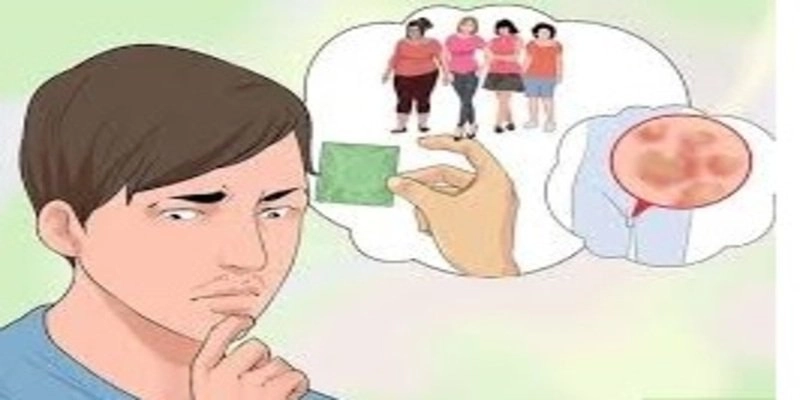
Most people who are sexually active get infected with genital HPV at some time. Factors that can increase your risk of becoming infected include,
i.Having unprotected sex with multiple partners.
ii.Having had another sexually transmitted infection._1650208346.webp)
iii.Having sex with a partner whose sexual history you don't know
iv.Becoming sexually active at a young age and Having a compromised immune system, such as from HIV or drugs from an organ transplant.
Cervical cancer has been closely linked with genital HPV infection. Certain types of HPV also are associated with cancers of the vulva, anus, penis, and mouth and throat.HPV infection doesn't always lead to cancer, but it's important for women to have regular Pap tests, particularly those who've been infected with higher risk types of HPV.
Rarely during pregnancy, warts can enlarge, making it difficult to urinate. Warts on the vaginal wall can inhibit the stretching of vaginal tissues during childbirth. Large warts on the vulva or in the vagina can bleed when stretched during delivery.
Extremely rarely, a baby born to a mother with genital warts develops warts in the throat. The baby might need surgery to keep the airway from being blocked.The Centers for Disease Control and Prevention (CDC) recommends routine HPV vaccination for girls and boys ages 11 and 12, although it can be given as early as age 9.
It's ideal for girls and boys to receive the vaccine before they have sexual contact.Side effects from the vaccines are usually mild and include soreness at the injection site, headaches, a low-grade fever or flu-like symptoms.
The CDC now recommends that all 11- and 12-year-olds receive two doses of HPV vaccine at least six months apart, instead of the previously recommended three-dose schedule. Younger adolescents ages 9 and 10 and teens ages 13 and 14 also are able to receive vaccination on the updated two-dose schedule. Research has shown that the two-dose schedule is effective for children under 15.
Teens and young adults who begin the vaccine series later, at ages 15 through 26, should continue to receive three doses of the vaccine.The CDC now recommends catch-up HPV vaccinations for all people through age 26 who aren't adequately vaccinated.