How To Use Aromatherapy Candles To Create A Welcoming Atmosphere
Burning aromatherapy candles scented with pure essential oils is a wonderful way to add fragrance to a room. Not only does an aromatherapy candle smell nice, but it can also have therapeutic effects on the body and mind. Essential oils are extracted from certain aromatic plants and are used by aromatherapists to promote emotional and physical well-being. When a few drops of a particular plant essence is added to a candle, its powerful aroma molecules are diffused into the surrounding air as the wax melts. When inhaled, the fragrance can help soothe and revitalize.
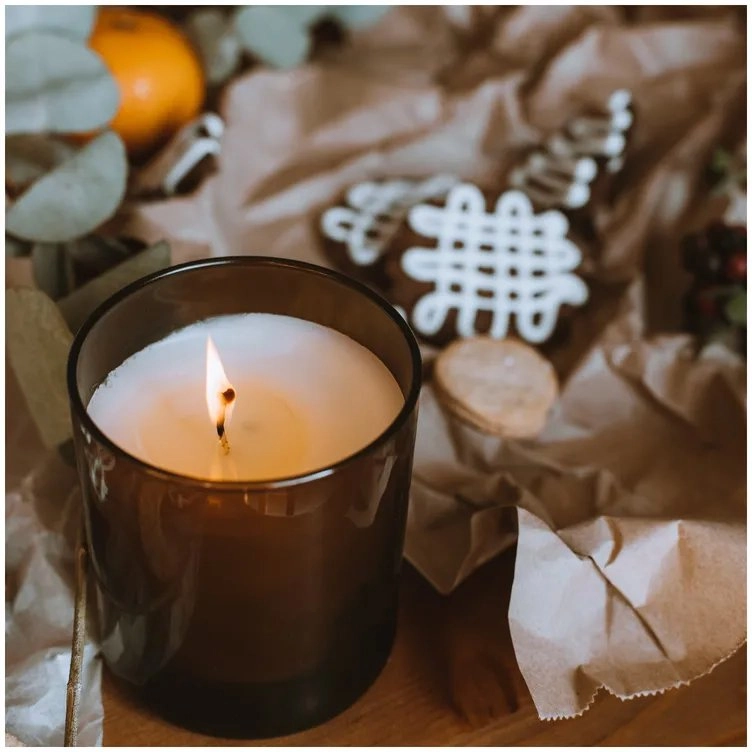 Aromatherapy scented candles can be made with oils from various types of plants. Aromatherapy essential oils can be made from different parts of plants, including flowers, berries, leaves, and bark. As well as having a unique natural perfume, they have many different healing qualities. For instance, lavender is well known for its relaxing properties. When added to a jar candle, it can be used to create a soothing and peaceful atmosphere. The rich aroma of sandalwood can help ease feelings of anxiety and stress.
As well as being used individually, oils can be used in blends to create uniquely fragranced candles. For example, a seasonal Christmas blend could include mandarin, cinnamon, clove, or nutmeg. Or a refreshing mix of oils could include peppermint, lemon, rosemary, or bergamot to help stimulate the senses.
For maximum aromatherapy benefits, candles should be made from natural based ingredients that don't release toxins as they burn. Aromatherapy soy candles made from soybean wax are a popular option, as these are considered better for the environment than petroleum-based candles. It's worth reading the labels when buying a candle to make sure it contains pure aromatherapy oil and no synthetic fragrances or dyes.
Using scented candles in the home is a simple but effective way of influencing the mood of a room, to create a tranquil and harmonious environment. Products such as candles, oil burners, or other types of aromatherapy diffusers can make inexpensive gifts and offer a natural alternative to chemical air fresheners.
Adding aromatherapy candles to the home is a quick and easy way to enhance the atmosphere in a room and create a peaceful space to unwind at the end of a busy day.
Researchers have not fully investigated the potential health benefits of essential oil candles. However, certain essential oils may help relieve feelings of stress. Also, a 2019 study found that inhaling lavender essential oil can reduce anxiety.
Early evidence suggests that other essential oils may also ease stress, including: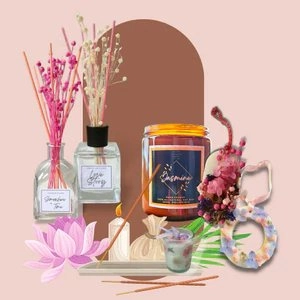
- Clary sage: A small study trusted Source in females going through menopause found that clary sage reduced cortisol levels. Cortisol is one of the hormones involved in the body’s stress response.
- Bergamot: Another small study in females showed that bergamot reduced negative emotions, fatigue, and salivary cortisol levels.
- Ylang-ylang: A 2014 pilot study found that people who inhaled ylang-ylang for 30,60, and 90 days reported higher self-esteem than those using a placebo.
As these studies had a low number of participants and did not use candles as a method of inhalation, it is unclear if these benefits would also apply to people using aromatherapy candles in general. The calming effects of candles may be due to their association with relaxation.
Another potential advantage of aromatherapy candles is that, unlike many scented candles on the market, some do not include any artificial fragrances. One 2016 study found that 34.7% Trusted Source of people experienced adverse health effects as a result of exposure to artificial fragrances, including:
- migraine
- headaches
- asthma attacks
- breathing difficulties
- contact dermatitis