
Remedial Massage Therapy
Remedial massage is different from other forms of gentle relaxation massage. A remedial massage therapist undergoes extensive training to gain advanced knowledge of anatomy and physiology. It is used for the prevention and management of injuries, particularly soft tissue injuries.
Therapists are trained to assess your body, observe changes over time, and design individual treatment plans for each client. Remedial massage is so much more than a “feel-good” message. Specific techniques are used to address your injury, postural or joint issues. Remedial massage can be performed in conjunction with other health professionals such as a Physiotherapist as part of a whole treatment plan.
Here are our to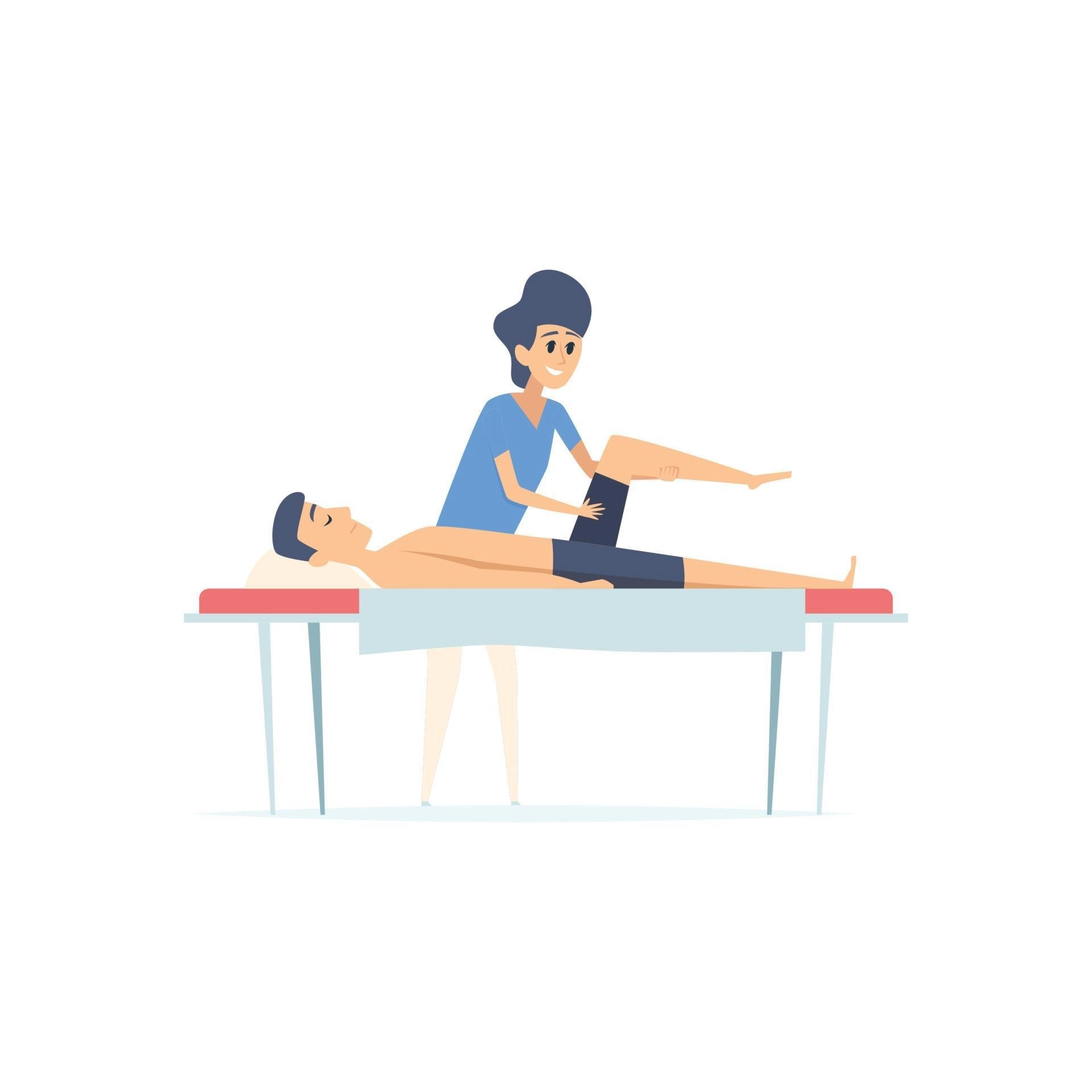 p 8 reasons why remedial massage is good for you:
1. Step: Remedial massage encourages blood flow to the tissues being treated by stimulating the circulatory system. Increasing blood flow to the area helps to speed up the healing process and repair damaged tissue.
2. Step: Remedial massage can help increase your joint range of motion. Your therapist will work on the muscles around your affected joint which can help aid joint mobility and restore your movement.
3. Step: Rebalance the length, tension, and tone of muscles. Remedial massage works to release tight and overworked muscles, reduce spasms and assist in tissue regeneration.
4. Step: Remedial massage benefits a wide variety of health disorders. Common issues that can be treated with remedial massage include sporting injuries, muscle cramps, arthritis, whiplash, and frozen shoulder. It can also be helpful for those suffering from insomnia, anxiety, chronic pain, or disabilities such as multiple sclerosis, cerebral palsy, and muscular atrophy.
5. Step: Remedial massage works well to help decrease pain with acute injuries, and alleviate pain in those with chronic conditions. Having a maintenance massage every couple of weeks or months can be extremely beneficial in managing your pain.
6. Step: If you suffer from tight muscles, your remedial massage therapist will use trigger point techniques, as well as stretching techniques to elongate abnormally tight muscles. The techniques used can also help to break down adhesions such as scar tissue that may have formed after an injury.
7. Step: Another great benefit of remedial massage is its effect on stress reduction. Remedial massage can promote a decrease in cortisol (the hormone produced when we are stressed and in pain). Massage also promotes an increased level of serotonin and dopamine, to improve your mood, encourage relaxation and relieve your pain. Massage reduces both emotional and physical stress.
8. Step: If you are looking to improve your posture, remedial massage can help by relieving muscle tension, particularly in the neck and shoulder area, These muscles are prone to becoming very tight, especially in office workers and those who use a computer all day.
When should I get a Remedial Massage?
Remedial massage can be performed on both acute and chronic conditions. With acute or recent injuries, remedial massage is indicated 72 hours following the injury. In the first 72 hours, it is important to follow the RICE principle. That is rest, ice, compression, and elevation, to help reduce inflammation and swelling.
For more chronic conditions, coming in for a maintenance massage every 2-4 weeks is ideal and will help to promote increased mobility and optimum function. Having a massage regularly will aim to prevent conditions from becoming more problematic and painful.